






 Customer Service
 Dealer Locator


Center Console vs. Bay Boat: Which is Right for You
At some point, every angler reaches the fork in the road where “good enough” isn’t cutting it. You want more range. More control. More capability. And when you start looking seriously, the conversation almost always comes down to center consoles and bay boats.
Both are proven platforms. Both catch fish. But each one is engineered with different water, different conditions, and different fishing styles in mind.

The Center Console — Built for Bigger Water, Broader Range, and Heavier Loads
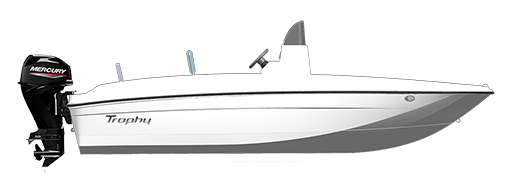
A center console is the boat you take when your fishing doesn’t stay in one place. The helm sits mid-deck for full walkaround movement, and the hull is usually designed with a deeper V and more freeboard to handle unpredictable seas.
Fishability Features
- Hull design: Often a deeper V (17–24 degrees of deadrise at the transom), which cuts through chop and improves rough-water comfort.
- Freeboard: Higher sides for added security in open water and when fishing with kids or larger crews.
- Beam: Typically wider than bay boats, offering better lateral stability in waves.
- Draft: Deeper draft (usually 12–18 inches) which sacrifices shallow access for offshore confidence.
- Fuel capacity: Larger tanks—often 50–120+ gallons depending on size—allowing longer days and extended range.
- Horsepower: Higher recommended engine outputs to push through chop and carry bigger loads.
What this Means on the Water
A center console is the rig you choose if your fishing takes you into:
- Large bays with afternoon chop
- Coastal edges and nearshore reefs
- Open flats with frequent wind shifts
- Mixed fishing styles (trolling, drifting, sight-casting, bottom fishing)
- Days with multiple anglers, heavy coolers, or lots of gear
If performance, range, and space matter as much as finesse, the center console platform fits the bill.

The Bay Boat — Shallow Draft, Fast Response, and Precision Inshore Control
Fishability Features
- Hull design: Shallower V (12–16 degrees of deadrise), offering stability on calm water and fast hole shots.
- Draft: Skinny-water access—often 9–14 inches depending on load and model. Ideal for flats and marsh zones.
- Freeboard: Lower profile for easier casting, netting, and fish handling.
- Beam: Usually narrower, contributing to quicker turns and better maneuverability in tight areas.
- Deck design: Raised casting decks at bow and sometimes stern for accuracy and visibility.
- Livewell systems: Often dual livewells optimized for bait and inshore species.
- Electronics: Typically rigged for 24–36V trolling motors, shallow-water anchors, and high-resolution shallow drafting sonar.
What this Means on the Water
A bay boat excels when you spend your days:
- Fishing flats, back lakes, and protected marsh
- Sight-casting in calm, controlled water
- Navigating around oyster bars, sandbars, and grass lines
- Moving quickly between spots
- Working tight structure or shallow shorelines
If your fishing is about accuracy, stealth, and access—not brute force—a bay boat is the right tool.
Which Boat Fits Your Style? The Clear Breakdown
Choose a Center Console If You:
- Fish waters that shift from calm to choppy
- Want 360-degree movement for multiple anglers
- Need more freeboard for safety and stability
- Take longer runs and need more fuel capacity
- Fish a mix of inshore, nearshore, and light offshore
- Want a hull built to handle more unpredictable days
Best for:
Anglers who mix shallow and deep water, run long distances, fish with multiple people, or want a boat that doesn’t blink when the wind comes up.
Choose a Bay Boat If You:
- Spend most of your time in water under 4 feet
- Prefer fast hole shots and quick repositioning
- Sight-cast or work grass lines and marshes
- Need a shallow draft for access and approach
- Want raised casting platforms for accuracy
- Fish smaller crews and lighter gear loads
Best for:
Anglers who prioritize shallow access, precise movements, and the ability to slip into spots where other boats can’t follow.
Let the Water Decide
Strip away the brand names, the options, and the opinions—and one simple question remains:
Where do you fish the most?
- If your home waters include shifting winds, open channels, deeper edges, or the chance to push offshore on the right day, go center console.
- If your routine includes grass flats at sunrise, marsh cuts with barely a foot of water, or tight pockets where stealth matters, go bay boat.
Both hull types are strong, reliable platforms. The right choice is the one that matches the conditions you face and the fish you chase.
