

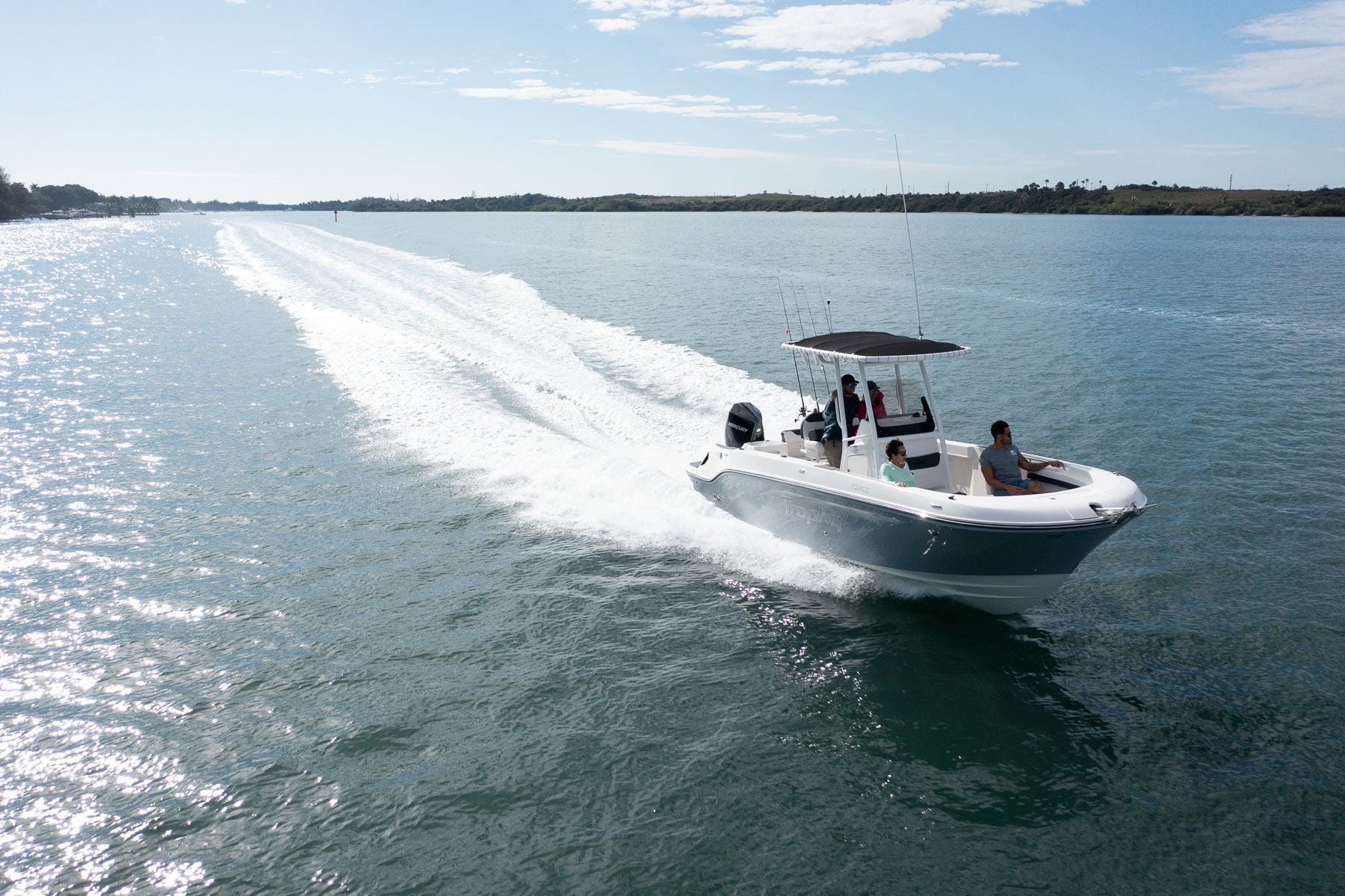
The Hull Story: Your Ultimate Guide to the Water
The information provided is for general informational purposes only. This information is based on the author’s personal experience and does not constitute financial or legal advice. You should consult with a professional and/or conduct your own independent research to verify any information in this post prior to making a financial decision or otherwise.
If you’ve ever thought about owning a boat but felt unsure where to begin, you’re in the right place. Boating doesn’t have to come with a long list of prerequisites or high barriers to entry; you shouldn’t need to know all the maritime lingo or be an old salt to dive in. We created this guide as a way of extending our hand to bring you along on the ride.
Boating can enrich your life in countless ways, so let’s keep it simple, keep it fun, and get you out on the water in a way that’s right for you.
5 Things Your FWB (Friend-with-Boat) Wishes You Knew Before They Invited You Aboard
- Know The Safety Basics: You’ll want to get familiar with how to use life jackets, fire extinguishers, and other safety gear, so come ready for a rundown before the fun starts.
- Easy On the Drinks, Heavy On the Sunscreen: Boating doubles the effects of sun and alcohol, so pace yourself. Hydrate, use sunscreen, and avoid overdoing it—it’s the simplest way to keep the fun rolling all day.
- Pitch In for the Day: As you can imagine, fuel, gear and upkeep can add up fast. Tossing in a few bucks toward gas or bringing snacks or drinks could mean a lot to your friend who’s hosting you on board. It’s an easy way to say thanks for the invite!
- Respect the Captain’s Rules: Your friend is the captain, and their rules aren’t just for show—they’re for safety. Whether it’s sitting in a specific spot, limiting noise when using the VHF radio, or sticking to the plan, teamwork makes the trip smoother and stress-free.
- Be Ready to Help: Boating is a group activity, and even little actions help. Whether it’s holding the boat steady, tying a line, or understanding emergency tools like the radio, pitch in when you can—it shows you’re a great guest and keeps the day enjoyable.
Looking Past the Price Tag: Calculate the Cost of Boat Ownership for You
Knowing how much boat you can afford doesn’t stop with a purchasing budget. Understanding your individual commitment is key to a lifetime of value before you buy.*
- Determine Boat Purchase Price: Do you know what type of boat you want and its purchase price? Research boat types, models and prices. Use your purchasing price as your starting point.
- Calculate Financing Costs: Will you need to finance the purchase? If you are looking into financing, research rates from lenders like National Marine Lenders Association or dealer financing, understand what the loan terms are (rate and duration), and calculate monthly payments based on those loan terms.
- Estimate Insurance Costs: Have you received a boat insurance quote? Get quotes from trusted insurers such as Boater’s Choice Insurance and use the quote to factor in annual insurance costs.
- Account for Taxes, Registration and Fees: Do you know the tax rate and registration fees in your area? Research local tax rates and registration requirements for your area, then calculate the total based on the boat’s purchase price.
- Factor in Slip or Storage Costs: Do you know where you’ll store your boat? Research local options for marina slips, dry docks or private storage. Add in slip rental fees or storage fees, as it applies to you.
- Plan for Maintenance and Upgrades: Have you budgeted for maintenance and upgrades? Research typical costs based on your expected boat usage and add your estimate for these to the total cost.
Calculate your total ownership costs by adding all these items together and determine if it aligns with what you can afford.
* The information provided in this guide is for general informational purposes only and does not constitute financial advice. Always consult with a financial advisor or other qualified professional before making any financial decisions related to boat ownership.
Don’t Let the Lingo Get You Down
Certain terminology might sound like nautical nonsense when you’re new to boating, but the more you talk about it, the more familiar they become! Here are the words and phrases we think are important to know in order to get the conversation underway.
Anatomy of a Boat
Understanding the parts of a boat is as important as knowing the parts of a car—it’s foundational for navigating basic directions and staying aware on board.
- Bow: The front of the boat
- Fore: Toward the front of the boat
- Stern: The back of the boat
- Aft: Toward the back of the boat
- Port: The left side of the boat when you're facing forward
- Starboard: The right side of the boat when you're facing forward
- Hull: The outer body of the boat that sits in the water
- Keel: The structural backbone of the boat that runs along the bottom of the hull
- Deck: The flat surface of the boat you walk on
- Helm: The area where the captain steers and controls the boat
- Cockpit: The area where passengers sit, stand or sleep
- Transom: The flat section at the back of the boat, where an outboard motor can be mounted
- Cleat: A metal fitting on the boat used to tie up to docks and other boats
- Lines: Ropes used on board to tie, tow or anchor
Going with the Flow
- Slip: A space where you dock (or "park") your boat at a marina
- Knot: A unit of speed used in boating, equivalent to one nautical mile per hour
- Fenders: Cushions placed on the side of the boat to protect it when docking
- Head: The boat’s bathroom
- Galley: The boat’s kitchen area
- PFD: Stands for Personal Flotation Device, commonly in the form of a life jacket
Getting Serious
These terms might pop up as you gain experience and start sharing stories.
- Planing: When a boat lifts and skims across the water at higher speeds
- Marlinspike: A tool used in knot-tying and rope work
- Drafting: Following closely behind another boat to take advantage of reduced water resistance
- Mooring: Securing a boat using a fixed anchor point, such as a buoy or dock
- Windward: The side of the boat facing into the wind
- Leeward: The side of the boat sheltered from the wind
- VHF Radio: A marine communication device used for emergencies, navigation, or chatting with other boaters
This website does not provide financial or legal advice. The information available on this website is provided for general informational and educational purposes only and is not a substitute for professional advice. You should consult with the appropriate professionals prior to making any financial decisions. YOUR USE OR RELIANCE ON ANY OF THE INFORMATION PROVIDED HEREIN IS SOLELY AT YOUR OWN RISK. UNDER NO CIRCUMSTANCE SHALL WE HAVE ANY LIABILITY TO YOU FOR ANY LOSS OR DAMAGE OF ANY KIND INCURRED AS A RESULT OF THE USE OR RELIANCE ON ANY INFORMATION PROVIDED.