

Pre Trip Boating Checklist
The information provided is for general informational purposes only. This information is based on the author’s personal experience and does not constitute financial or legal advice. You should consult with a professional and/or conduct your own independent research to verify any information in this post prior to making a financial decision or otherwise.
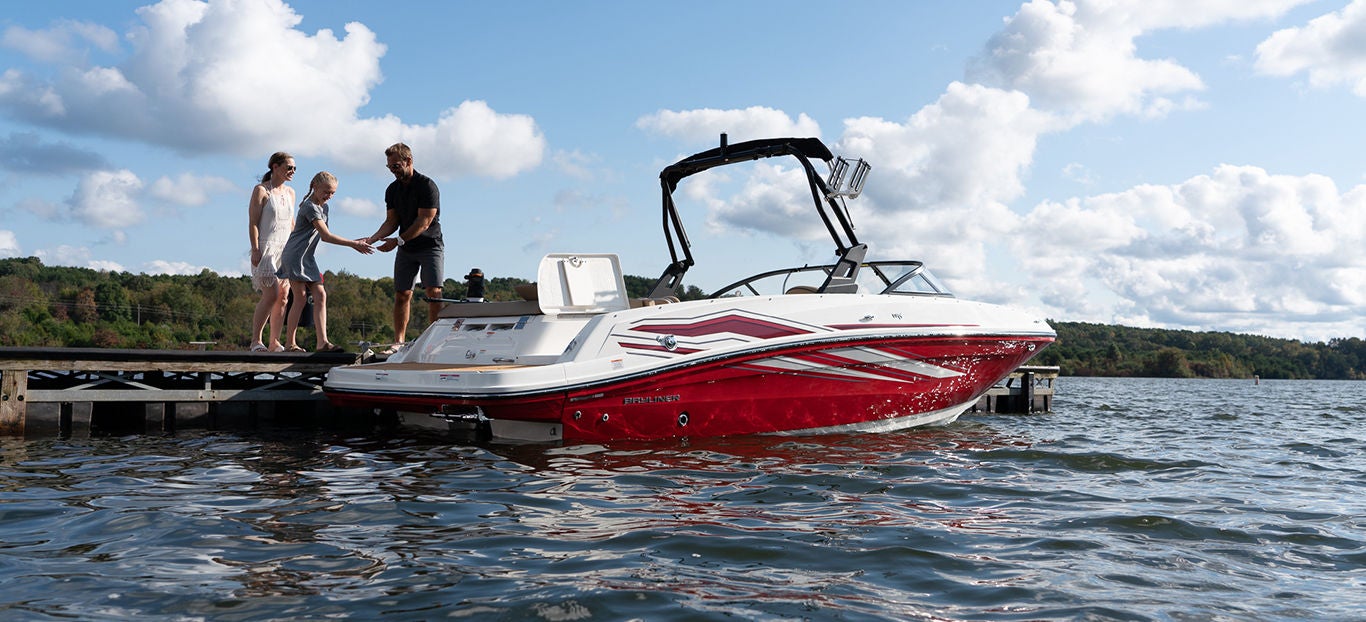
With all the excitement and urgency to get out on the water, it’s easy to forget something that’s important for your crew’s safety and enjoyment. All boaters, regardless of experience level, can benefit from having a pre-trip checklist. So whether you are going out for a quick sunset cruise or are heading to a dockside dinner on your Bayliner boat, make sure nothing important slips through the cracks.
Before leaving the house
Check the weather. Always check the weather forecast before heading out and confirm it periodically throughout the day. Invest in an inexpensive app like NOAA Radar US ($1.99), which gives you an animated radar map centered around your location. If you’re heading offshore, download an app like the free Marine Weather Forecast Pro that predicts things like wave height and duration.
Let someone know where you’re going. Always let someone you trust know where you’re going and when you’ll return home. Most cell phones can track your movements if you use apps like Apple's Find My Friends, but they only work if they’re enabled and used where there you have a cell phone signal. You can also carry a Personal Locator Beacon (PLB), which continually broadcasts your position to satellites almost anywhere on the globe.
Make sure your boat’s drain plugs are installed. This should be the first and last item on your printed checklist. Highlight it!
Inspect Your Trailer. Look for obvious items like tires that look low on air or show signs of extreme wear. After plugging the electric plug to your tow vehicle, check to make sure turn signal and brake lights are operational. Double check the connection between trailer and trailer hitch ball and make sure the safety chain is crossed and attached properly. Inspect tie-down straps for proper tension. When the vehicle is moving, try the brakes to make sure they are functional. If your drive to the ramp is lengthy, stop after 20 minutes to inspect your tie downs and place your hand near the wheel hub to detect excessive heat, which can indicate bearing failure.
Safety Items to keep on board your Bayliner Boat
Make sure you have the following U.S. Coast Guard-required items for vessels 16 feet and longer:
Life jackets are required for each passenger and must either be worn or be easily accessible. The U.S. Coast Guard recommends boaters should wear a life jacket when underway. They should fit each passenger well and be in good repair.
Always have a throwable floatation device that’s kept within easy reach for emergency use should someone fall overboard.
Carry a sound-producing device such as an air horn that can produce a four-second blast that can be heard for ½ a mile. Also, attach a whistle to each life jacket.
Fire extinguishers that have a B-I or B-II classification are required.
Although not required on all bodies of water, carry a visual distress signal such as flares, flags (daytime) or high-powered lights (nighttime).
It is recommended to have an anchor on board with plenty of anchor line. Having a paddle is also handy in case you run out of gas.
Before Shoving Off
If your boat is a sterndrive, run the blower for five minutes before starting the engine. Repeat this every time you start your boat throughout the day.
Check the boat’s oil level before leaving the dock.
Make sure your boat has enough fuel by following the 1/3 rule when cruising. Only expend 1/3 of your fuel heading to your destination. This will leave you 1/3 to return home with a 1/3 in reserve. It’s always a good idea to carry more fuel than you think you will need because no boater has ever said the words, “I wish I didn’t have all this fuel onboard.” If you don’t boat as often as you would like, make sure to treat your fuel with a stabilizer since gas with ethanol can go bad after a couple of months and can severely damage your engine.
Conduct a safety briefing for your passengers, letting them know where all safety gear is located, and demonstrate how to operate the boat in case you become incapacitated.
Always carry plenty of water, even if just going out for a short time, and don’t forget the sunscreen.
The driver should attach the safety lanyard that will stop the boat’s engine in an emergency.
The Last Checklist Item
Having a checklist is a great way to make sure you’ve taken care of all the basics, which will help your family relax and enjoy a stress-free day on the water while making some memories that will last forever. The last entry on your list should be:
Have Fun!
This website does not provide financial or legal advice. The information available on this website is provided for general informational and educational purposes only and is not a substitute for professional advice. You should consult with the appropriate professionals prior to making any financial decisions. YOUR USE OR RELIANCE ON ANY OF THE INFORMATION PROVIDED HEREIN IS SOLELY AT YOUR OWN RISK. UNDER NO CIRCUMSTANCE SHALL WE HAVE ANY LIABILITY TO YOU FOR ANY LOSS OR DAMAGE OF ANY KIND INCURRED AS A RESULT OF THE USE OR RELIANCE ON ANY INFORMATION PROVIDED.